
How Arizona Community Property Laws Affect Your Estate Plan
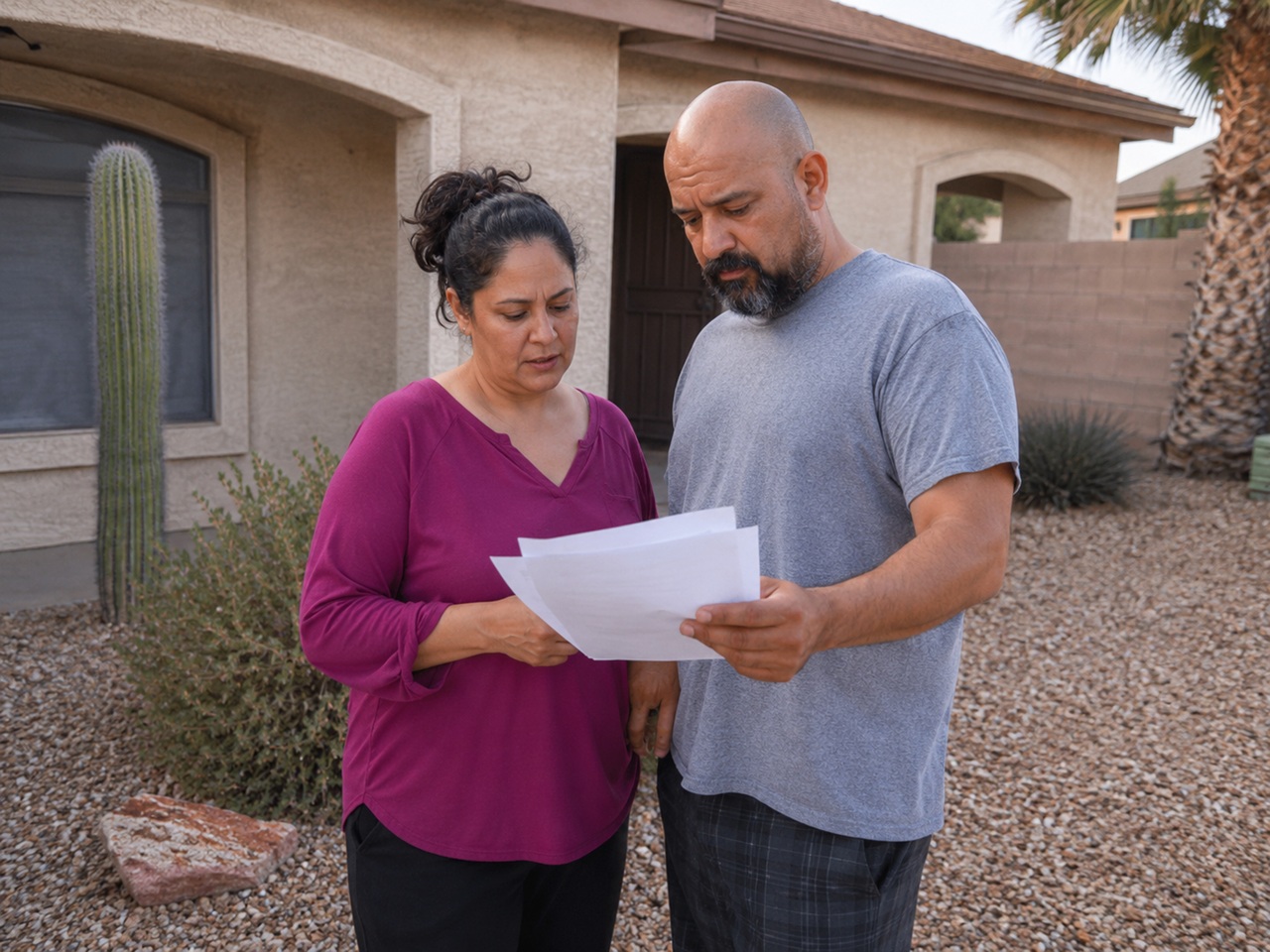
Marriage Can Change Property Ownership And Estate Planning In Arizona
Marriage can change how Arizona law treats property even when only one spouse's name appears on a deed, account, or other ownership document. A home purchased during the marriage, money earned and invested while married, business interests created during the marriage, and portions of some retirement benefits may all involve community property rights. That's why an estate plan based only on whose name appears on an asset can miss important ownership issues.
Arizona is one of nine community property states identified in IRS Publication 555. In general, Arizona law treats property acquired by either spouse during the marriage as community property unless an exception applies. Title can still matter for transfer rights, survivorship, trust funding, and evidence of ownership, but it doesn't always answer the larger question of whether an asset is community or separate property.
At The Law Firm of Brown & Jensen, our Mesa estate planning attorneys help married couples identify how their assets are owned before building wills, trusts, and other planning documents around them. Attorneys Shad M. Brown and Scott T. Jensen help Arizona families account for community property, separate property, probate exposure, and tax considerations before those questions become harder to resolve.
What Makes Property Community Under Arizona Law?
Arizona Revised Statutes § 25-211 provides the starting point. With limited exceptions, property acquired by either spouse during the marriage is community property.
That means ownership can't always be determined simply by looking at which spouse earned the money or whose name appears on an account. Wages earned during marriage and assets purchased with community funds may create community property interests even when one spouse handled the transaction alone.
At the same time, title shouldn't be ignored. Deeds, account agreements, beneficiary designations, trusts, and other ownership documents can affect how an asset transfers and may become important evidence when ownership is disputed. Arizona law also gives spouses equal management and control rights over community property, subject to specific rules for certain transactions.
A strong estate plan looks beyond a list of names on accounts. It asks when each asset was acquired, where the purchase money came from, whether separate and community funds were mixed, how the asset is titled, and what transfer instructions are already in place.
What Property Stays Separate?
Not everything a married couple owns becomes community property. Arizona Revised Statutes § 25-213 identifies important categories of separate property.
- Property Owned Before Marriage: Real and personal property a spouse owned before the marriage generally remains that spouse's separate property.
- Individual Gifts And Inheritances: Property received during the marriage by gift, devise, or descent generally remains separate property.
- Income From Separate Property: Arizona law generally treats the increase, rents, issues, and profits of separate property as separate property, although particular assets and contributions can raise additional questions.
- Certain Property Acquired After A Divorce Petition: Property acquired after service of a petition for dissolution, legal separation, or annulment can be separate property when the petition results in a final decree.
Records matter. A spouse claiming that an asset is separate may need documents showing when it was acquired and where the money came from. Years of transfers between accounts, refinances, improvements, business activity, or mixed funds can make that history harder to reconstruct later.
Couples should also avoid assuming that separate property will always remain easy to identify. Keeping deeds, inheritance records, account statements, purchase documents, and other ownership records can make an enormous difference when an estate plan is updated, or an estate is administered.
Title And Ownership Need To Work Together
One of the biggest mistakes couples can make is treating title as either the only thing that matters or something that doesn't matter at all.
Arizona's community property rules determine important ownership rights, while title and transfer documents can affect how an asset is managed and what happens when someone dies. Arizona Revised Statutes § 25-214 gives spouses equal management, control, and disposition rights over community property while requiring both spouses to participate in certain transactions, including many transactions involving real property.
For estate planning purposes, that means a lawyer may need to review more than account balances. Deeds, beneficiary designations, trust schedules, business documents, and account registrations can reveal whether the ownership structure actually matches the couple's plan.
This becomes especially important after a move to Arizona. Property acquired before the move, property earned after establishing Arizona domicile, and assets brought from another state may need to be reviewed individually rather than placed into one broad category.
Why Can Titling Mistakes Complicate Probate?
Community property status and probate aren't the same question. An asset can have a community property component while its transfer after death depends on how it was titled and whether another transfer mechanism was established.
For example, assets properly held in certain trusts, property with valid survivorship rights, and accounts with effective beneficiary designations may pass outside probate. Other assets may require estate administration for the deceased spouse's interest.
A surviving spouse already has ownership rights in their share of community property. The deceased spouse's will doesn't simply redistribute the survivor's existing share. Instead, the estate administration process may require identifying which assets were community property, determining the deceased spouse's interest, and separating that interest from property that already belongs to the surviving spouse.
Problems arise when deeds, accounts, trusts, beneficiary designations, and estate planning documents don't agree with one another. A family may then have to reconstruct how an asset was acquired and determine whether it was separate property, community property, or a combination of both.
How Does Community Property Affect Tax Basis After A Spouse Dies?
Community property can provide an important federal income-tax benefit for certain appreciated assets after one spouse dies.
Under the rules described in IRS Publication 551, when at least half the value of a community property interest is includible in the deceased spouse's gross estate, the basis of the entire qualifying community property asset generally adjusts to its fair market value at death, including the surviving spouse's half.
That treatment can be significant when a couple owns an appreciated home, investment property, securities, or another qualifying asset that has increased substantially in value. A higher adjusted basis may reduce the taxable capital gain if the property is later sold.
It shouldn't be described as making an inheritance automatically tax-free. Basis can adjust upward or downward depending on fair market value, different assets follow different tax rules, and retirement accounts don't receive the same treatment as ordinary capital assets simply because a couple lives in a community property state.
Ownership structure also matters. Community property and joint tenancy can produce different tax results after a spouse dies. That's one reason couples should review both the legal character of an asset and the way it's titled rather than assuming every form of joint ownership works the same way.
Wills And Trusts Should Reflect The Actual Ownership
A properly drafted last will and testament should account for what the person creating the will actually owns and has the legal power to transfer.
For a married Arizona couple, that means distinguishing between separate property and the deceased spouse's interest in community property. A will can't simply treat all property titled in one spouse's name as belonging entirely to that spouse, nor can it give away property that legally belongs to someone else.
Couples who want greater control over how assets are managed and transferred may use a revocable trust. Properly funding the trust matters just as much as signing it. Assets that were never transferred into the intended ownership structure can create problems the trust was meant to avoid.
Community property character also needs careful attention when assets are transferred into a trust. The estate plan should document ownership clearly rather than accidentally creating uncertainty about which spouse owned what.
Steps That Can Strengthen A Community Property Estate Plan
Married couples don't need to wait for a death, incapacity, or family dispute to find out whether their paperwork matches Arizona law. A periodic estate planning review can uncover problems while they're still easier to correct.
- Inventory Assets By Acquisition Date: Identify what each spouse owned before marriage and what was acquired afterward.
- Trace The Source Of Funds: Keep records showing whether major purchases came from community earnings, separate property, an inheritance, or a combination of sources.
- Review Deeds And Account Titles: Confirm that ownership and survivorship language match the couple's intended estate plan.
- Check Beneficiary Designations: Retirement accounts, life insurance, and other beneficiary-controlled assets need to coordinate with the broader plan.
- Fund Trusts Correctly: Signing a trust doesn't automatically place every asset into it. Ownership and transfer documents need to be completed where required.
- Preserve Separate Property Records: Keep inheritance documents, premarital statements, deeds, and other records that may be needed to establish an asset's history later.
These reviews can be especially important after marriage, relocation to Arizona, inheritance, a major real estate purchase, creation or sale of a business, or a significant change in family circumstances.
A Mesa Estate Planning Lawyer Can Help Put The Pieces Together
Community property planning isn't just about deciding who receives an asset after death. The first question is often who legally owns the asset now and what transfer rules already apply to it.
Our Arizona estate planning lawyers at The Law Firm of Brown & Jensen can review deeds, account ownership, trust funding, beneficiary designations, and the history of significant assets before building or updating a plan. We help families create wills and trusts that account for Arizona's community property rules while considering probate and tax consequences that may affect the people they leave behind.
You don't have to guess whether an old deed, separate account, inheritance, business interest, or trust still fits your family's plans. Contact us to schedule a consultation and discuss an estate plan built around how your property is actually owned.
"Shad has counseled me on a number of legal issues and has helped me with the creation of my personal estate planning documents. I wouldn't hesitate to recommend him to anyone for their tax, trust, or will work." - Spencer, ⭐⭐⭐⭐⭐